
Why You Should Always Hire a Licensed Electrician
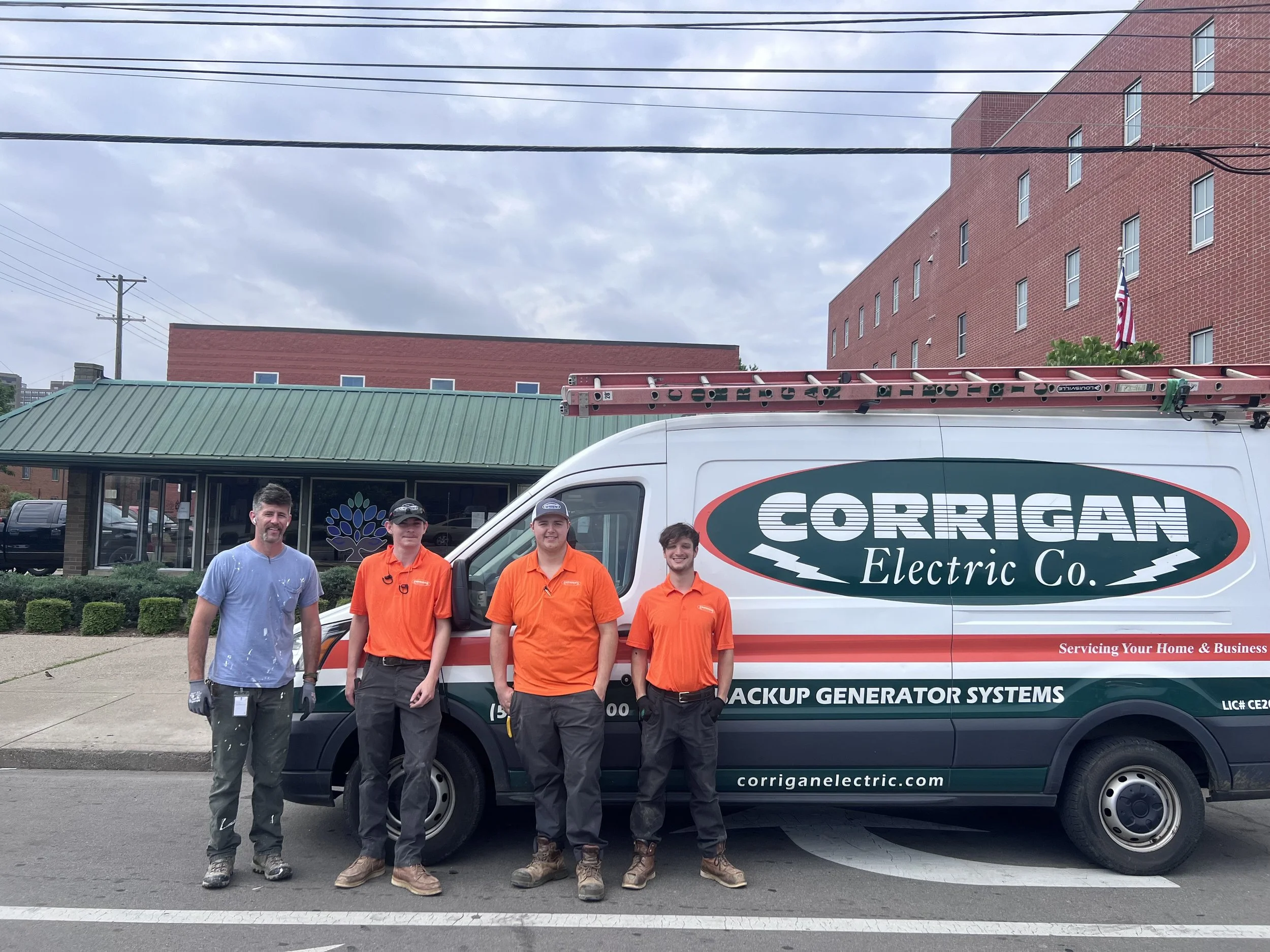
When it comes to electrical work, cutting corners is not worth the risk.
The short answer: you should always hire a licensed electrician because electrical systems are complex, safety-critical, and require proper training to install and repair correctly.
For homeowners in Kentucky and Southern Indiana, this is one of the most important decisions you can make when dealing with electrical issues or upgrades.
What Is a Licensed Electrician?
A licensed electrician is someone who has:
Completed formal training and apprenticeship
Passed required exams
Met state or local licensing standards
Ongoing education in electrical codes and safety
This ensures they understand how to safely install, repair, and maintain electrical systems.
Why Does Hiring a Licensed Electrician Matter?
Safety Comes First
Electrical work directly affects your home’s safety.
Improper work can lead to:
Fire hazards
Electrical shock risks
Overloaded circuits
Equipment damage
A licensed electrician is trained to avoid these issues.
Code Compliance
Electrical work must meet local and national code requirements.
Licensed electricians understand:
Current electrical codes
Proper installation methods
Permit and inspection requirements
This helps avoid failed inspections and future problems.
Correct Diagnosis
Electrical issues are not always obvious.
A licensed electrician can identify:
The real cause of a problem
Whether it’s wiring, load, or equipment
The safest and most effective solution
What Are the Risks of Hiring an Unlicensed Electrician?
Hiring someone without proper licensing can lead to:
Unsafe installations
Code violations
Failed inspections
Higher repair costs later
Potential insurance issues
What seems like a lower upfront cost can turn into a bigger expense over time.
What Types of Work Require a Licensed Electrician?
Most electrical work should be handled by a licensed professional, especially:
Panel upgrades
Generator installations
EV charger installations
New circuits
Rewiring
Troubleshooting electrical problems
These are not areas where guesswork is acceptable.
Can Small Electrical Jobs Be DIY?
Some homeowners handle very minor tasks, but even small jobs can connect to larger systems.
If the work involves:
The electrical panel
Adding circuits
Troubleshooting issues
Anything beyond basic replacements
it’s best to involve a licensed electrician.
How Does Hiring a Licensed Electrician Save Money?
It may seem more expensive upfront, but it often saves money long-term.
Licensed work helps avoid:
Repeat repairs
Damage from incorrect installations
Safety issues that lead to bigger problems
Doing the job right the first time is almost always more cost-effective.
Why Local, Family-Owned Service Matters
Beyond licensing, local experience matters.
Homes in Southern Indiana and Kentucky vary in age and electrical design. A local company understands:
Common issues in the area
Local code requirements
What homeowners actually need
Corrigan Electric has been family-owned and in business since 1995. That long-term presence reflects a commitment to doing work the right way.
What Should You Look for When Hiring an Electrician?
Look for:
Active licensing
Clear communication
Experience with your type of project
A reputation for clean, professional work
Straightforward recommendations
These factors help ensure you’re getting reliable service.
Final Answer: Why Hire a Licensed Electrician?
Because electrical work affects safety, performance, and long-term reliability.
Hiring a licensed electrician protects your home, ensures the work meets code, and helps prevent problems down the road.
FAQs
1. How do I know if an electrician is licensed?
You can ask directly and verify through local or state licensing agencies.
2. Is it cheaper to hire someone unlicensed?
It may seem cheaper upfront, but it often leads to higher costs due to repairs, corrections, or safety issues.
3. What happens if electrical work is not up to code?
It may fail inspection, require rework, and create issues during home sales or insurance claims.
You Know Us at Corrigan, Give Us a Call! Your Electrician.