
The most common signs a house needs rewiring are frequent breaker trips, flickering or dimming lights, warm or discolored outlets, a persistent burning smell, and wiring that is simply old. Rewiring means replacing the aging electrical wiring in some or all of your home so it can safely handle modern power demands. Not every symptom means a full rewire, but several together, especially in an older home, are worth taking seriously. A licensed electrician can inspect your wiring and tell you whether repairs or rewiring make more sense.
Concerned about your home’s wiring? Schedule an electrical inspection. Visit corriganelectric.com or call 502-267-4600.
Why do older homes need rewiring?
Because homes built decades ago were never designed for the amount of electricity we use today, and their wiring can degrade over time. A home from the mid-20th century was wired for a fraction of the appliances, electronics, and devices a modern family plugs in.
Older systems were sized for far lower electrical demand.
Insulation on old wiring can dry out, crack, or break down.
Past DIY additions can leave a patchwork of unsafe connections.
Some older materials, like certain aluminum branch wiring, carry added risk.
As demand grows and materials age, the gap between what the wiring can handle and what the home needs keeps widening.
What are the warning signs to watch for?
The clearest signs show up in how your electrical system behaves day to day. Any one of these is worth attention, and several together point more strongly toward rewiring.
Breakers that trip repeatedly
Lights that flicker or dim when appliances run
Outlets or switch plates that feel warm or look discolored
A burning smell with no clear source
Buzzing or crackling from outlets or switches
Frequent reliance on extension cords and power strips
Two-prong, ungrounded outlets throughout the home
These are your home telling you the system is under strain.
How serious can old wiring be?
Old or failing wiring is one of the more serious issues a home can have, because it is a leading contributor to electrical fires. That said, the risk depends on the condition and type of wiring, and not every older home is in danger.
The honest picture is that aging wiring tends to get worse, not better, and hidden problems behind the walls are hard to catch until something goes wrong. That is why an inspection matters. It replaces guesswork with a clear assessment of what your home actually needs.
Why is rewiring not a DIY project?
Because rewiring involves working inside walls, tying into your panel, and meeting code across the whole system, and mistakes carry serious fire and shock risk. It is one of the most involved electrical projects a home can undergo.
Proper rewiring requires load calculations, correct wire sizing, safe routing through framing, grounding, permits, and inspection. A small error hidden in a wall can go unnoticed for years and then cause a fire. Licensed electricians have the training and testing to do the work safely and to code, which is exactly what this kind of project demands.
How does Corrigan Electric handle rewiring?
At Corrigan Electric, rewiring starts with a thorough inspection, then a clear plan that replaces only what needs replacing, all performed by licensed electricians. We assess the condition of your wiring, your panel, and your home’s demand before recommending anything.
We inspect your existing wiring and identify problem areas.
We recommend targeted repairs or whole-home rewiring based on what we find.
We handle panel upgrades where added capacity is needed.
We manage permits and code compliance throughout.
Every job has a licensed electrician on site, with honest pricing and no pressure to do more than your home needs.
What does rewiring cover in a home?
Rewiring can range from a single problem circuit to the entire home, depending on the condition of the system. The scope is set by the inspection, not a one-size-fits-all approach.
Replacing old or damaged branch wiring
Upgrading outlets, switches, and grounding
Adding capacity and dedicated circuits
Updating the panel to support the new system
Addressing older materials that carry added risk
A licensed electrician can scope the work so you are not paying to replace wiring that is still sound.
Can commercial buildings need rewiring too?
Yes, older commercial buildings face the same aging-wiring issues, often with higher demand. Outdated wiring in a business can create safety risks and fail inspections.
Corrigan Electric serves commercial clients across Kentucky and Southern Indiana with service upgrades, rewiring, and code compliance, handled by licensed electricians.
Home Rewiring in Kentucky and Southern Indiana
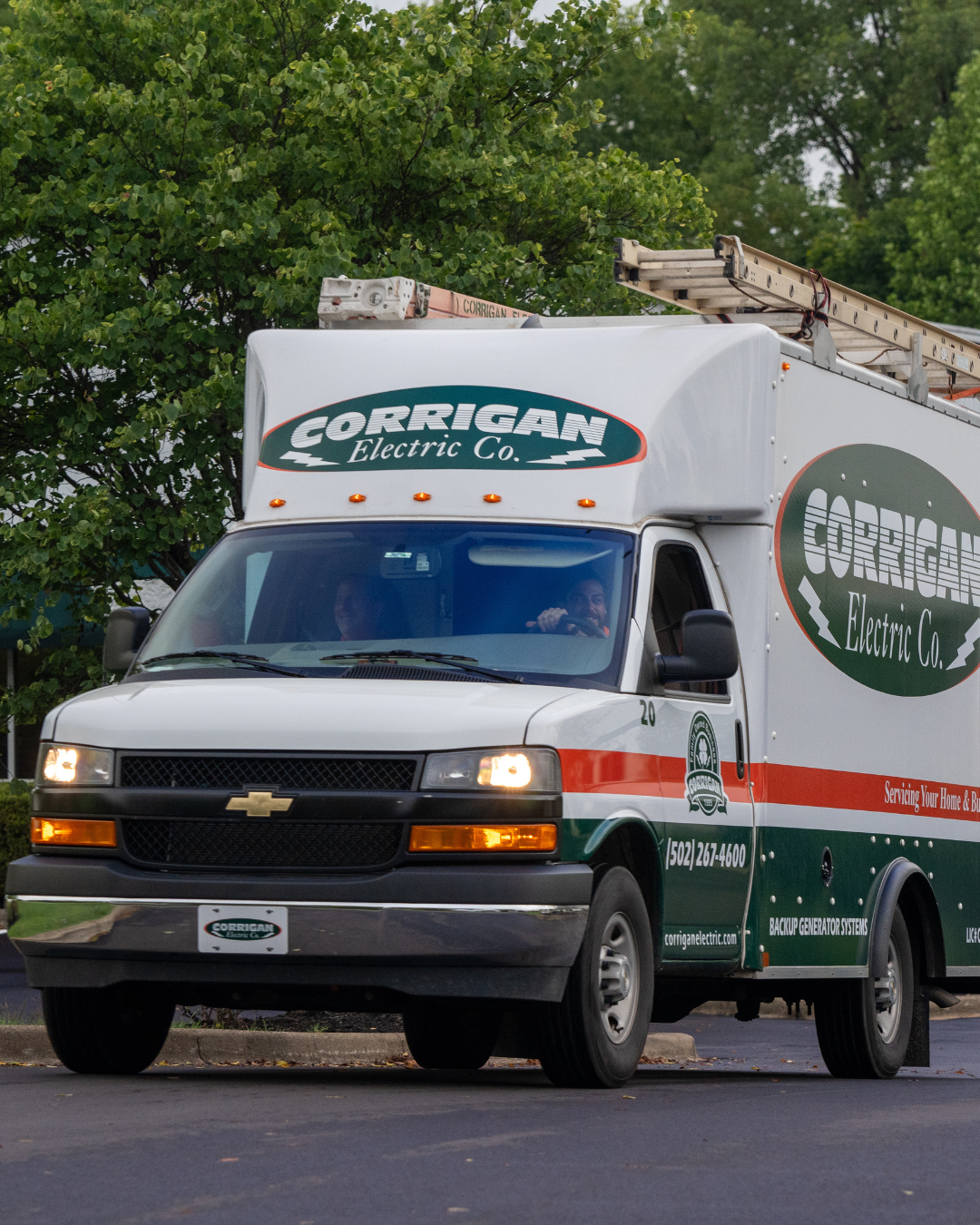
Corrigan Electric inspects and rewires homes across Kentucky and Southern Indiana. Family-owned and operated since 1995, we put a licensed electrician on every job, recommend only what your home needs, and stand behind our work.
Electrical inspections and wiring assessments
Targeted repairs and whole-home rewiring
Panel upgrades and added capacity
Permitting and code-compliant work
Reach our office Monday through Friday, 7:30 AM to 5:00 PM at 502-267-4600, or schedule online anytime at corriganelectric.com.
What happens if you ignore the signs?
Ignoring the signs lets a hidden, worsening problem sit behind your walls, and old wiring is a known fire risk. Symptoms like warm outlets, repeated trips, and burning smells rarely resolve on their own, and they can point to conditions that grow more dangerous over time.
Catching wiring issues early usually means smaller, less expensive repairs and a safer home. An inspection is the simplest first step.
Frequently Asked Questions
How long does a house last before it needs rewiring?
It varies, but many homes built more than a few decades ago are candidates for at least partial rewiring, especially if the wiring has never been updated. Condition matters more than age alone, which is why an inspection is the best way to know.
Is aluminum wiring dangerous?
Certain aluminum branch wiring from past decades carries a higher risk of loose connections and overheating and should be evaluated by a licensed electrician. There are approved ways to address it, so the first step is a professional assessment.
Can you rewire a house without tearing down walls?
In many cases, licensed electricians can route new wiring with minimal disruption, though some access is usually needed. How much depends on your home’s construction and layout, which the inspection will clarify.
Do I need to rewire the whole house at once?
Not always. Sometimes targeted repairs to specific circuits are enough, while other homes benefit from a full rewire. A licensed electrician can scope the work to match your home’s actual condition.
Don’t Guess About What’s Behind Your Walls
If your home is older or showing warning signs, you do not have to wonder whether the wiring is safe. Corrigan Electric will inspect your system, explain what we find in plain terms, and recommend only the work your home truly needs.
👉 Schedule an electrical inspection with Corrigan Electric today at corriganelectric.com or call 502-267-4600. You Know Us at Corrigan, Give Us a Call! Your Electrician.